
Over the past decade, esports has grown from a niche hobby into a global phenomenon. Competitive online gaming on platforms like 20Bet login attracts huge audiences, major sponsorships, and elite athletes. However, beyond its growth, esports is accomplishing something even more significant. It’s reshaping traditional sports culture.
The Blurring of Physical and Digital Arenas
Sports used to be mainly physical, requiring speed, strength, and endurance. Esports challenges that idea by moving competition into digital spaces. While gamers don’t rely on physical endurance the same way, they show exceptional reflexes, coordination, strategy, and mental toughness.
This change forces fans and professionals to rethink what it means to be an “athlete.” Major sports leagues like the NBA, NFL, and Formula 1 now have their own esports divisions. This move legitimizes gaming as part of sports culture. The line between traditional athletes and digital competitors keeps getting thinner.
Adapting Training and Wellness Practices
Esports has also influenced how athletes train. Pro gamers use mental conditioning, cognitive exercises, and stress management. Traditional athletes are adopting these methods to improve focus, reaction time, and decision-making.
At the same time, esports players are learning from physical sports. Many now follow fitness routines, nutrition plans, and physical therapy to stay sharp. This exchange has created a more complete view of what it means to compete—whether on the field or online.
Fan Engagement in the Digital Age

Esports thrives on platforms like Twitch, YouTube, and Discord. These spaces offer constant interaction between players and fans. This round-the-clock access is changing how traditional sports engage audiences. Teams are investing in live streams, online content, and interactive experiences.
Sports leagues now borrow strategies from esports to attract younger fans. Real-time chats, player-made content, behind-the-scenes streams, and virtual meetups are common. Fans and athletes share digital spaces more closely than ever before.
Diversity and Accessibility
Esports breaks down many barriers in sports. Physical sports often depend on location, physical ability, and resources. Esports offers a level playing field. Anyone with a console or PC and internet can train, compete, and even go pro.
This access creates a diverse group of players across nationalities, genders, and backgrounds. Traditional sports are paying attention. Many are expanding programs to promote inclusion, inspired by esports’ global and open communities.
The Rise of Data-Driven Strategies
Esports relies heavily on data. Gamers track reaction times, decision accuracy, and in-game movements. This focus on analytics has influenced traditional sports too.
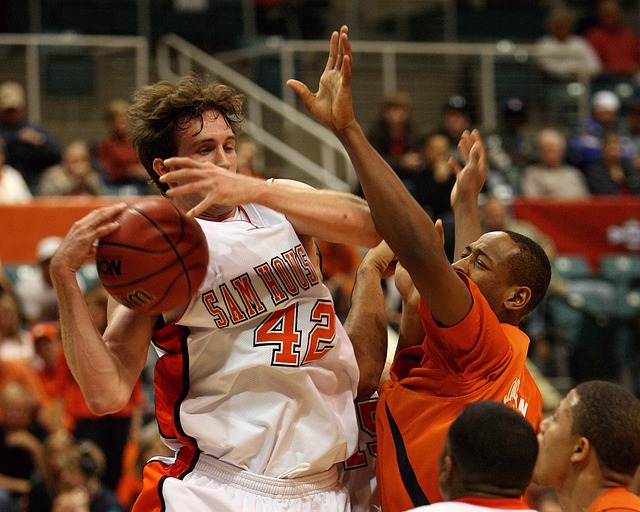
Coaches in soccer, basketball, and baseball now use heat maps, performance metrics, and AI insights. Esports has shown how data can drive success. Physical sports are quickly catching on.
A Mutual Evolution
The relationship between esports and traditional sports is now two-way. Esports no longer just copies traditional sports. Both worlds are learning from each other. Esports proves competition doesn’t require physical arenas. Traditional sports are embracing digital tools, mental training, and new ways of engaging fans.
As the line continues to blur, one thing is clear. The future of sports is a hybrid of physical and digital. Lessons from esports will help shape the next generation of athletes and fans.